The exchange in Bursa, Yalova and Mudanya
1923–1925
During the exchange, Muslim families from Greece were settled in and around Mudanya. The new settlements changed not only farming but also everyday life and social relations.
Related work
Images
Details
December 1923 – 1924From Mudanya to Muradiye
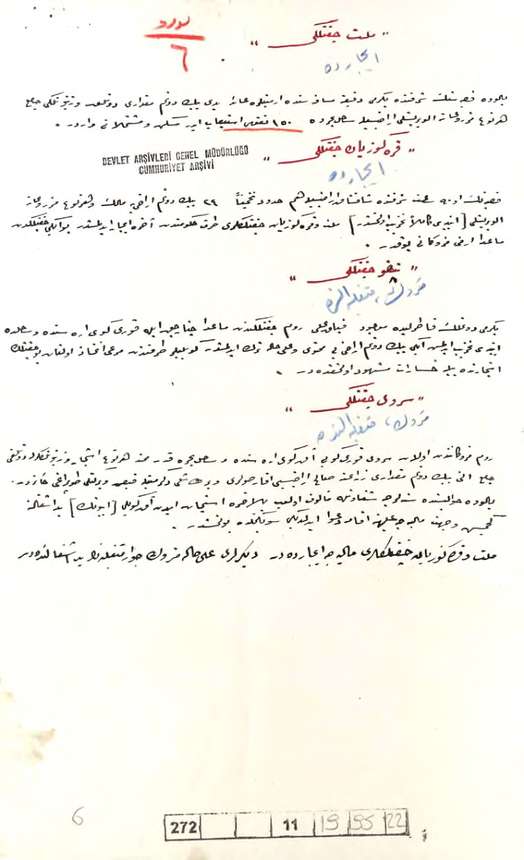
From December 1923 the large convoys of exchangees bound for Bursa reached the city through the Mudanya pier. Those from Salonica and its surroundings were housed for a time in guesthouses in Muradiye, which shows that resettlement also involved a stage of shelter and waiting before families moved on to the villages.
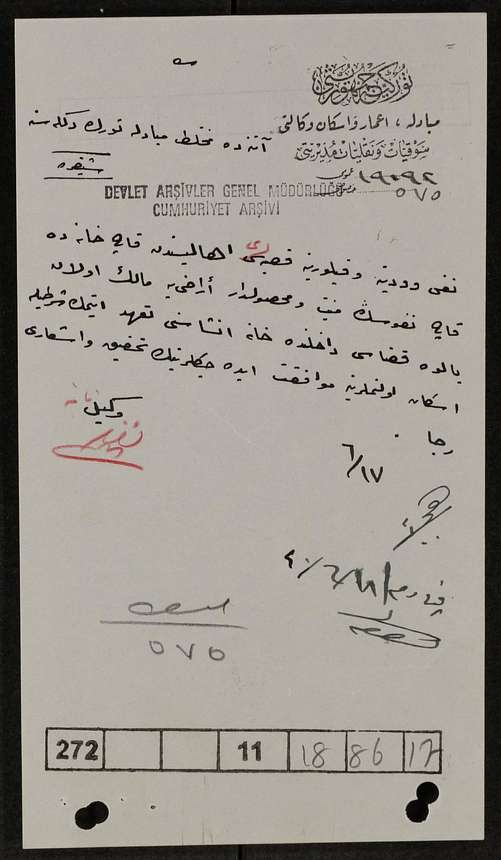
March 1924Tobacco growers in search of land
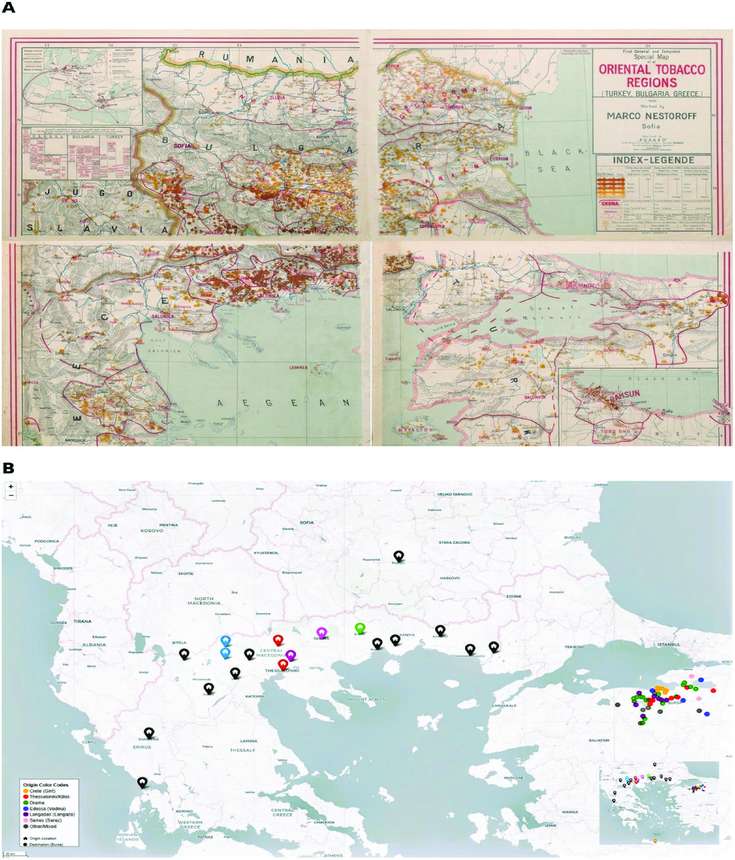
Tobacco-growing exchangees from Drama applied to settle in Demirtaş, Kelesen and Tepecik, which they saw as suited to their trade. Because earlier migrants were already using the land and houses, the newcomers found it harder to settle and to farm.
15 April 1924 and summer 1924Karacaoba and İkizce, the model villages
Karacaoba and İkizce, near Lake Apolyont, were planned as model villages in 1924; shortages of builders and materials made the work difficult. Settling the exchangees depended not only on building houses but also on providing roads, building materials and farm equipment.
22 May 1924Fishing and settlement in Gölyazı
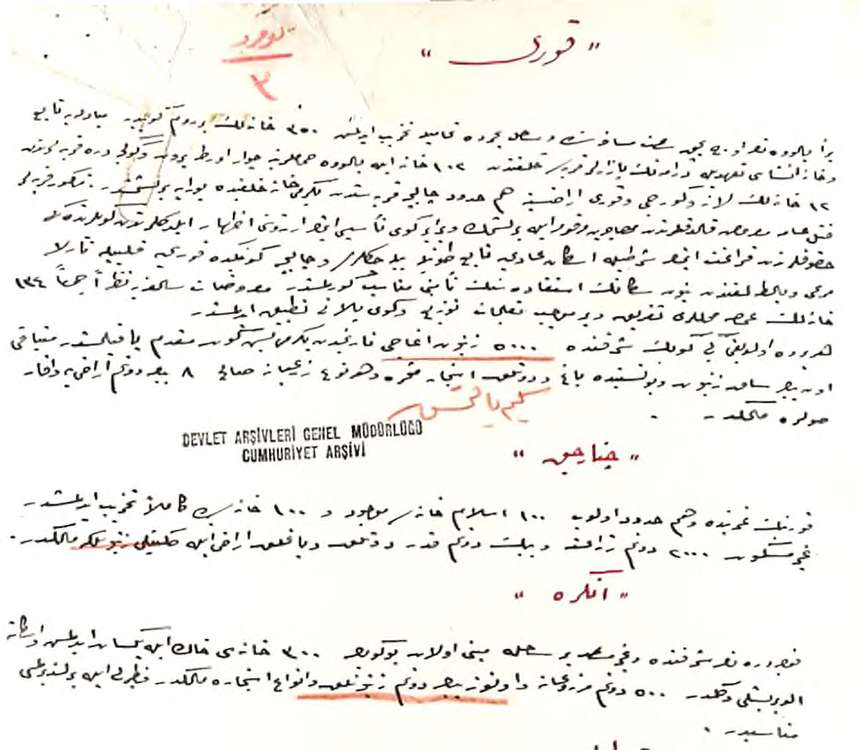
Correspondence dated 22 May 1924 proposed moving the farmers settled in Apolyont (Gölyazı) to neighbouring villages and giving the vacated houses to sixty households who lived by fishing. The arrangement shows an effort to match occupations with the livelihoods the lakeshore offered.
1924Shelter and shared labour in Gündoğdu
In Filader/Gündoğdu, migrants took part in their own resettlement by building huts and houses with their own means. That villagers built homes with money they had saved brings out the exchangees’ initiative and shared labour in settlement.
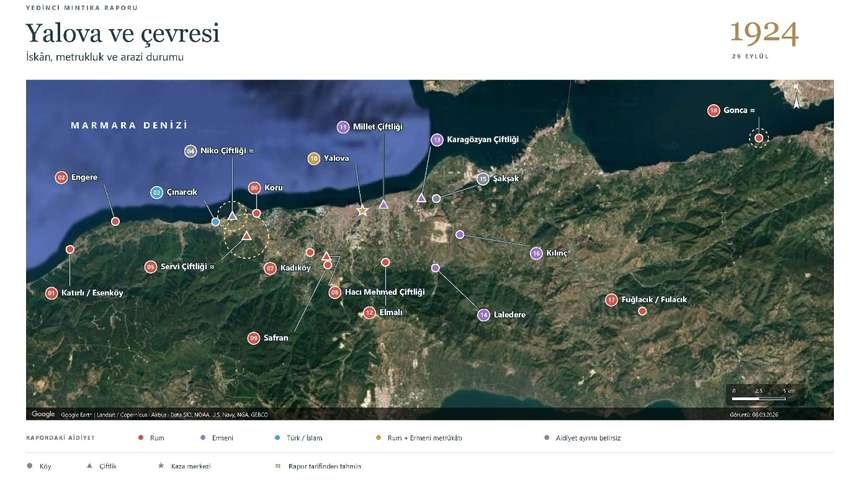
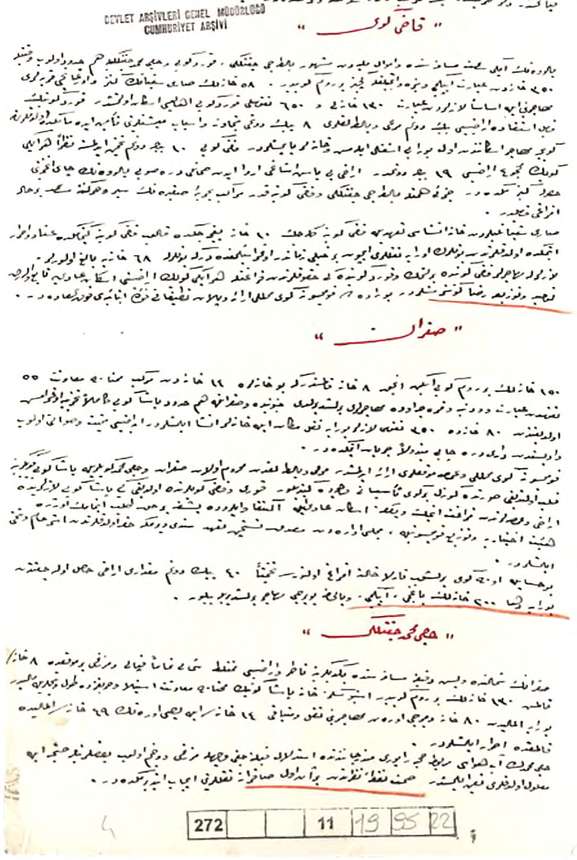
29 September 1924Settlement and livelihood in Koru (Yalova)
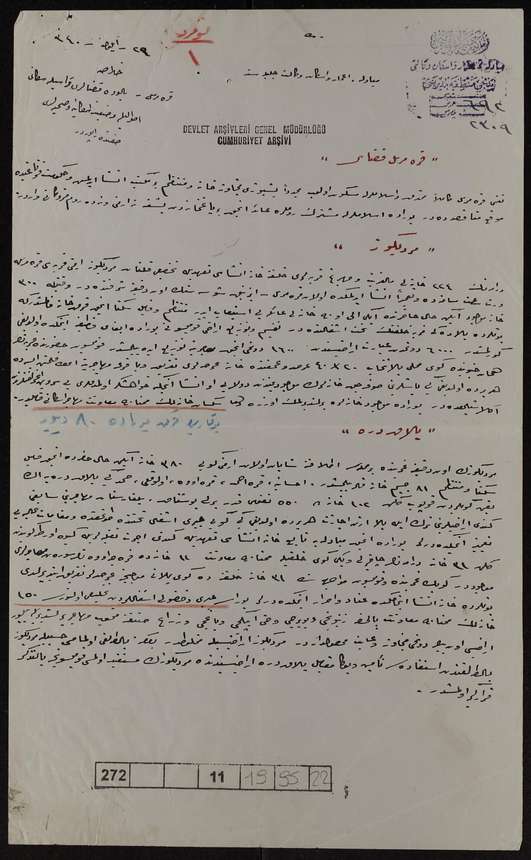
The settlement report of 29 September 1924 records that plots were set aside and distributed in Koru for a total of 134 households from three different places, and that the village plan was carried out. Land and the remaining olive groves had a place in building the exchangees’ livelihood.
- Yalova ve Çevresinde İskân, Sağlık ve İmar (1921–1938), section 4.2, Exchangee Settlement and Problems of Implementation (1924–1925); Table 2; P061, P095, P096, P097, P098
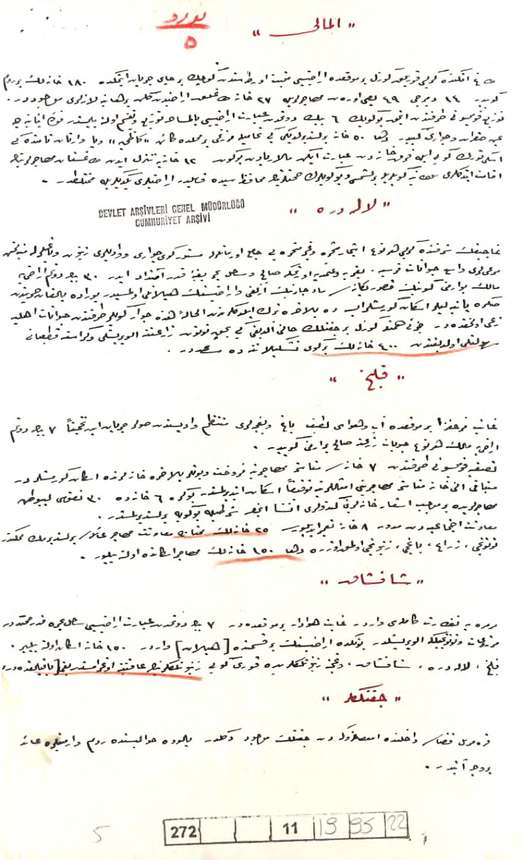
29 September 1924Settlement and health conditions in Safran (Yalova)
The report of 29 September 1924 records that 55 exchangees in 15 households from Vodina and Karacaova were settled in Safran. Because of malaria at the Hacı Mehmed Farm, moving that settlement to Safran was also proposed.
- Yalova ve Çevresinde İskân, Sağlık ve İmar (1921–1938), section 4.2, Exchangee Settlement and Problems of Implementation (1924–1925); Table 2; P038, P065, P107, P108, P109, P110
1920s–1930sOlive-growing knowledge and adaptation
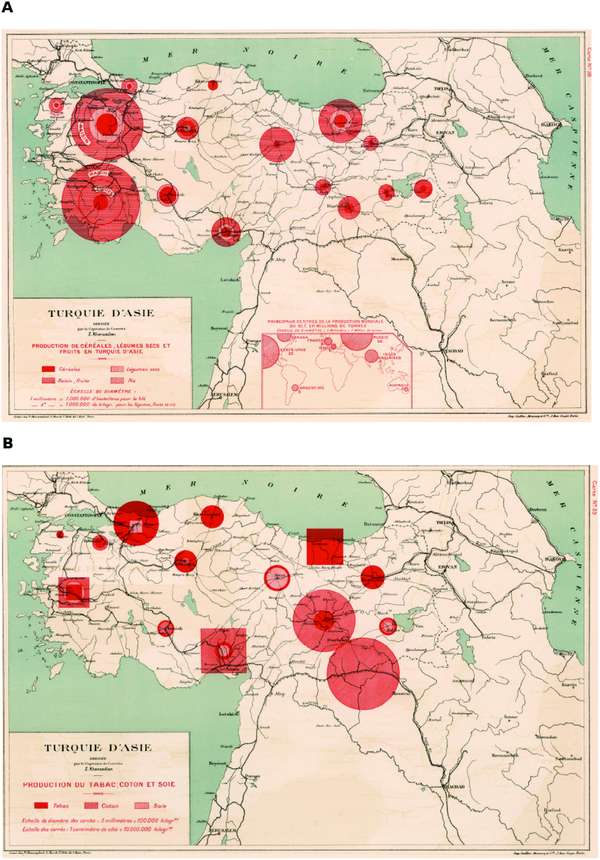
The recovery of olive growing in Mudanya and Gemlik depended as much on the growers’ know-how as on the number of trees. Some groups from Crete and Preveza already knew olives, while other exchangee groups took time to learn olive growing in their new surroundings.
1924–1926Settlement figures for Yalova
Koru, Drama Pazarlar group, 29.09.1924: 102 households (p.287). Safran, Vodina/Karacaova group, 29.09.1924: 15 households, 55 people (p.284). Hacı Mehmed Farm, Demirciören group, January 1926: 83 households (p.288). Laledere, Girye group, 08.03.1926: 70 households (p.288).
1927Exchangee population records for Bursa
Demirtaş: 800 people. Kelesen/İsmetpaşa: 417 people. Apolyont/Gölyazı: 540 people. Filader/Gündoğdu: 729 people.