Changing labour and daily life in the countryside
After 1945
Changes in mechanisation, schooling and transport reshaped women’s work and daily life in the villages of Bursa. Oral history accounts show that this transformation differed from village to village and from one generation to the next.
Related work
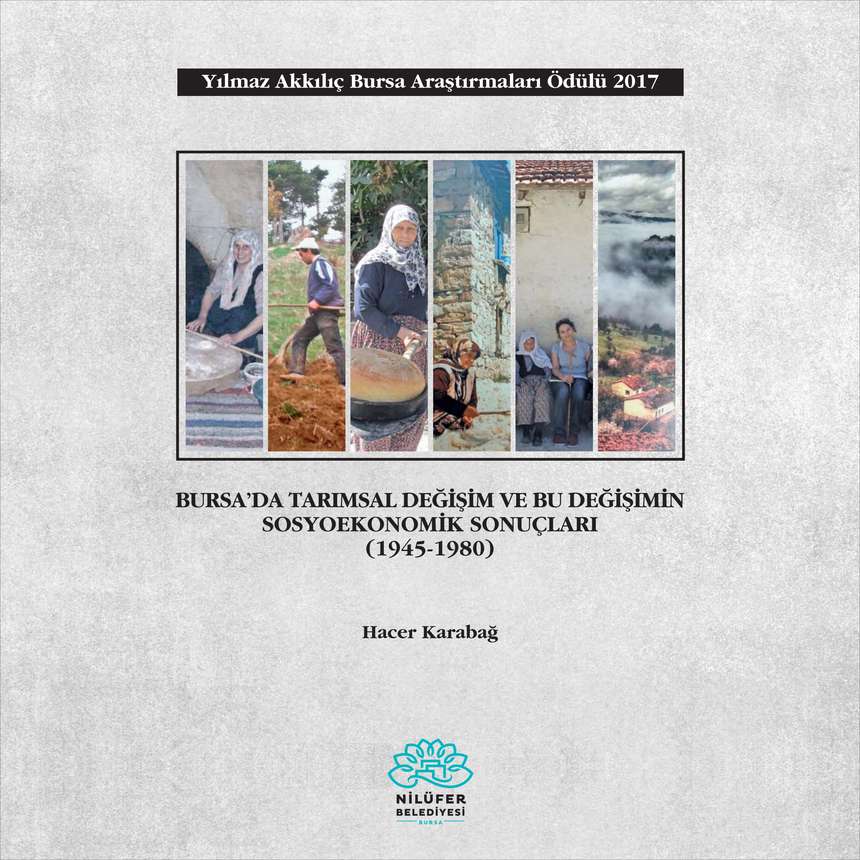
- Bursa’da Tarımsal Değişim ve Sosyo-Ekonomik Sonuçları (1945–1980) [Agrarian Change in Bursa and Its Socio-Economic Consequences]
- Bursa Kırsalında Kadın Olgusunun Değişimi (1945–2015) [Changing Women’s Lives in Rural Bursa]
Images
Details
1936–1937; 1970sGörükle / Nilüfer
In the narrator’s memory the school’s history goes back to 1936–1937. The move towards setting up separate households is linked to the 1970s.
1980sÇalı / Nilüfer
Oral history accounts from Çalı record that the bus given to the village in the 1980s was used to carry pupils. Transport played its part in village children’s access to school.
After 1974–1977Çekrice / Mudanya
Oral history accounts from Çekrice record how mechanisation changed women’s work in the fields. Olive picking and factory work came to sit side by side in women’s working lives.
From the remembered past to the time of the interviewsElbeyli / İznik
Women’s and children’s labour stands out in cocoon production. The accounts describe a shift from imece, collective mutual help, to paid day labour.
Remembered pastGümüşpınar / Orhaneli
The accounts describe collective farm work and mutual help known locally as meci. They also record people going to neighbouring villages to reap.
Remembered pastSorgun / Keles
Poor, dry land is linked to working in other villages. The accounts describe going to Gemlik and Mudanya as labourers and to nearby villages to pick strawberries.
Remembered pastUzunöz / Keles
Oral history accounts from Uzunöz link the shortfall of farming and livestock to seasonal work. Villagers went to Mudanya for the olive harvest and to Misi to work in the vineyards.